







Search Results for: piping nozzle

Mixue Ice Cream & Tea Drink Shocks with Ice Cream Machine Part, Staff Collectively Call on Customer to Return the "Veteran Employee"
Recently, a customer posted a video on social media claiming they found a piece of white plastic foreign object in a drink purchased from Mixue Ice Cream & Tea. Unexpectedly, the comment section did not fill with criticism of the merchant. Instead, many Mixue employees left comments pleading with the customer to return this part, which they jokingly called a "veteran employee." It turns out this piece of plastic was the star tip nozzle accessory for the ice cream machine's dispenser outlet. Once lost, it not only affects the shape of the product but also means the staff member may have to pay compensation. Behind this incident lies not only the detailed challenges of equipment management in food service stores but also consumers' ongoing concern about food safety. [more…]

What is the purpose of purging steam when frothing milk? Key operational details before making latte art
In front of a café bar, you can often hear the "hissing" sound a barista makes while steaming milk, and you'll also notice that they always purge the steam wand for a few seconds before and after use, sometimes even keeping it wrapped in a cloth the whole time. These seemingly superfluous little habits actually reflect careful consideration for coffee quality and operational safety. Purging the steam not only expels condensation from inside the wand and prevents the milk from being diluted, but also cleans the steam holes to keep them from clogging. As for whether the steam wand should be wrapped in a milk cloth, baristas each have their own reasoning: some insist that wrapping it is safer and more efficient, while others believe it is completely unnecessary. This article will examine both sides of the argument and analyze in detail this dispute over a fine point of espresso preparation, helping coffee enthusiasts gain a deeper understanding of the correct way to steam milk. [more…]
The Complete Guide to Steaming Milk for Espresso Machines: From Beginner Steps to Milk Froth Texture Assessment and Latte Art Techniques
Want to make a latte at home with an espresso machine? Steaming silky, smooth milk foam is a key step. Many people think steaming milk is as simple as sticking the steam wand into the milk, but in practice they often run into problems like splashing milk, coarse foam, and overheated milk. This article starts with how to use the steam wand correctly and then breaks down the complete milk-steaming process step by step, including how to purge condensate from the wand, how to find the right air-intake position, when to bury the nozzle deeper, and what temperature range is most suitable. It also shares tips for judging foam quality and things to watch out for in the daily cleaning of the steam wand. The equipment-selection advice and operating details mentioned in the article are useful reference for both beginners and advanced enthusiasts. [more…]
A Complete Guide to Buying Coffee Equipment and Coffee Machine Maintenance
To make a good cup of coffee at home or in a shop, choosing the right equipment and doing daily maintenance are equally important. This article systematically sorts out the key points for purchasing common coffee equipment, from Turkish coffee pots, Neapolitan flip brewers, and siphon brewers to semi-automatic espresso machines, water drip coffee makers, American coffee machines, and moka pots, including the suitable roast levels and grind sizes, and also provides reference prices and purchasing suggestions for commercial equipment. At the same time, it explains in detail the cleaning process for coffee machines, the backflushing steps, and the precautions for using glass equipment, helping coffee enthusiasts and professionals extend equipment lifespan and maintain consistent product quality. [more…]
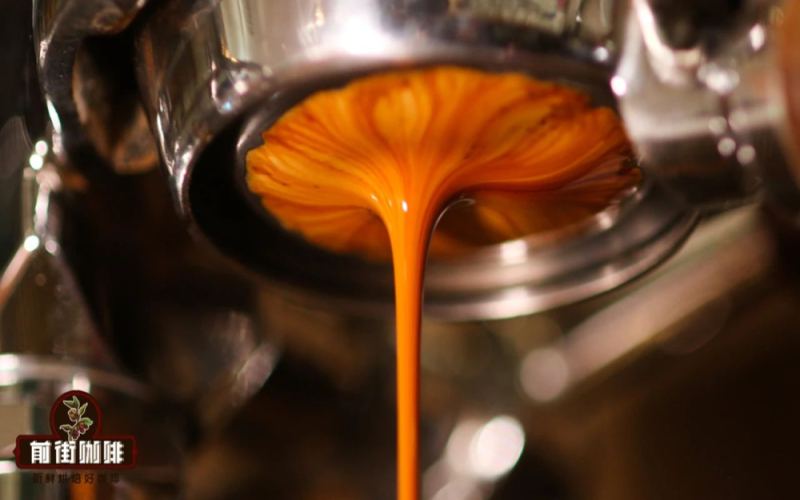
The Complete Guide to Semi-Automatic Espresso Machine Cleaning and Maintenance: Get Daily Care Right and Your Machine Will Last Longer
Coffee machines are now a common fixture in many home kitchens, but many people overlook their cleaning and maintenance. In fact, regular cleaning not only affects the flavor performance of every cup of coffee but also directly impacts the machine's lifespan. This article systematically outlines the key cleaning points for semi-automatic coffee machines, including how to determine descaling frequency, the use of professional descalers versus white vinegar as an alternative, how to deal with clogged steam nozzles, and daily cleaning steps for the steam wand, brew head, drip tray, and exterior of the machine. In addition, in response to the characteristics of pressurized extraction, it offers purchasing suggestions for medium-to-dark roasted espresso beans suitable for semi-automatic coffee machines, and recommends products such as Front Street Classic Blend, Front Street Commercial Blend, and Front Street Strawberry Candy Espresso, helping coffee enthusiasts balance equipment maintenance with output quality. [more…]
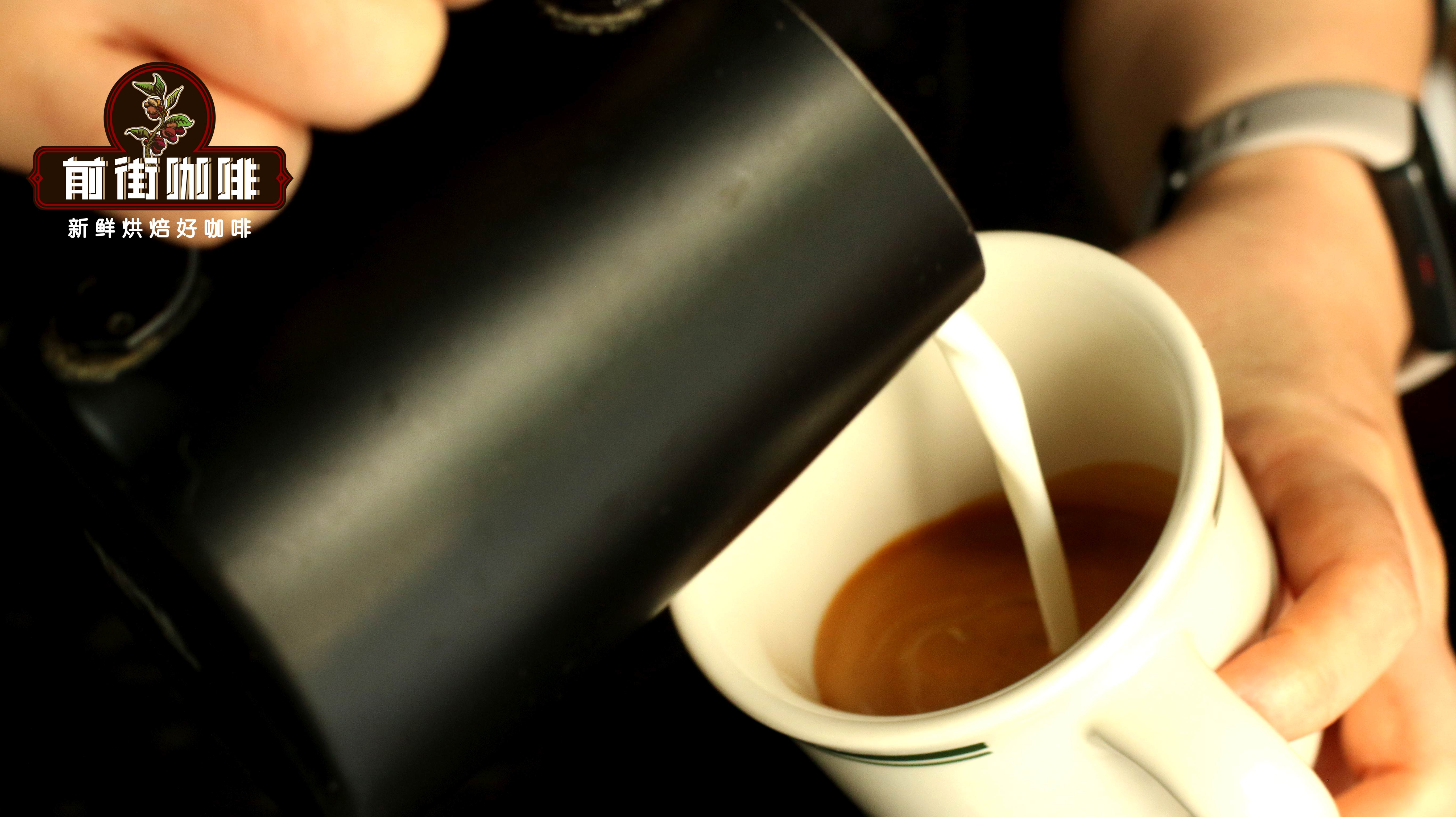
A Complete Guide to Cappuccino Milk Frothing and Temperature: Professional Techniques from Steaming to a Dense, Silky Texture
In coffee shops, cappuccino is just as popular as latte, but have you ever noticed that cappuccino's foam layer is noticeably thicker than latte's? This is no accident, but is determined by four key factors working together: milk temperature, foam density, foam quantity, and milk texture. This article will focus on cappuccino, systematically explaining the correct method for steaming and frothing milk, analyzing why the ideal milk temperature range is 55-65°C, and explaining how foam that is too thin or too thick affects the presentation of coffee flavor. At the same time, we will also compare the differences between latte and cappuccino in foam handling, helping you make a cappuccino at home with foam and coffee liquid blended into one and a silky mouthfeel. [more…]
A Beginner's Guide to Coffee Latte Art: A Complete Guide to Choosing Equipment and Tools from Espresso Machines to Latte Art Pitchers
Wanting to learn latte art, passion alone is not enough—choosing the right equipment and tools is the first step. This article is aimed at beginner baristas and systematically sorts out the various basic equipment needed to get started with latte art: from the differences and selection points of the four boiler systems in professional Italian espresso machines (single boiler, heat exchanger, dual boiler, multi-boiler), to the classification of steam wands and steam tip types, then to grinder burr types, tamper shape matching, latte art pitcher spout shapes and groove designs, as well as the logic for choosing materials such as espresso beans and milk. It also analyzes the influence of cup shape on latte art results and gives the key parameters for adjusting machine settings, helping beginners avoid detours and laying a solid hardware foundation for subsequent latte art practice. [more…]
Can You Make Milk Foam Without a Whisk? A Detailed Guide to Cappuccino Milk Foaming and the Key Techniques of Milk Temperature
Want to enjoy a cappuccino at home but lack professional tools—can a whisk replace a steam wand to produce ideal milk foam? What is the best temperature to heat the milk to? This article focuses on four core points in cappuccino making—milk temperature, foam density, foam quantity, and milk texture—explaining one by one how to create fine, silky milk foam so that the coffee's own sweetness can be fully released. The article also shares Front Street Coffee's hands-on experience with steam milk temperature control, foaming rhythm, and pouring technique, helping you make a cappuccino close to cafe quality even without professional equipment. [more…]

Home-made Cold Brew Coffee: A Complete Guide to Simple Equipment and DIY Methods
On a scorching summer day, a glass of cold brew coffee is a favorite for many coffee lovers. Traditional cold brew towers are not cheap, yet they are often used infrequently, so netizens have started to brainstorm and build all kinds of "DIY cold brew" contraptions using everyday items like filter cups, drip bags, and mineral water bottles. This article rounds up several of the most representative simple home cold brew setups: from stacking filter cups, to converting drip coffee bags, to combining moxibustion racks with plant-watering nozzles—each one showcases the creativity and dedication of coffee enthusiasts. Although these homemade devices are not as precise as professional cold brew towers, they make up for it with low cost, plenty of fun, and the joy of drinking iced coffee you extracted yourself. If you'd also like to try cold brew at home, you might as well take inspiration from these ideas and use the objects around you to start a low-temperature extraction experiment. [more…]
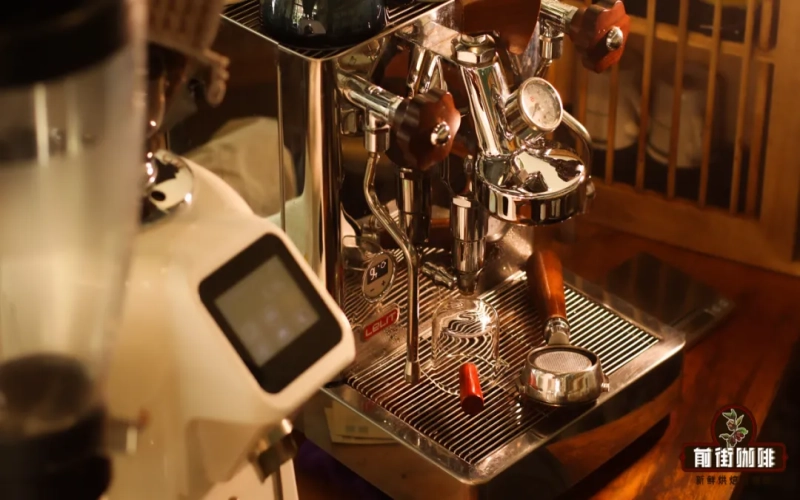
Home Espresso Machine Cleaning and Maintenance in Practice: A Guide to Descaling and Replacing Gaskets on the Steam Wand, Group Screen, Portafilter, and Plumbing
Many people buy an espresso machine without really knowing how to maintain it. If it isn't cleaned for a long time, the steam will weaken, the brew head will dispense water unevenly, the extraction pressure will fluctuate, and the portafilter may even leak after being locked in. Today, Front Street Coffee will talk about how to do daily maintenance and deep cleaning of home espresso machines, so the machine lasts longer and you save on unnecessary repair costs. The article will start with the daily cleaning of the steam wand, shower screen, and portafilter, then introduce deep maintenance methods such as soaking the steam wand, backflushing the pipes, replacing the gaskets, and maintaining the water tank filter, helping you take proper care of your espresso machine. [more…]
A Comprehensive Review of Fully Automatic and Semi-Automatic Coffee Machine Brands: Comparing De'Longhi, Saeco, Jura, and More
There are many coffee machine brands on the market, from fully automatic to semi-automatic, each with its own positioning and features. This article systematically reviews fully automatic brands such as Delonghi, GAGGIA, Saeco, JURA, Krups, RayStar, and Solis, as well as semi-automatic brands including Rancilio, Nuova, Conti, la pavoni, la Cimbali, Reneka, sanremo, Expobar, Monroc, Wega, and Brasilia, covering each brand's main models, reference prices, core functions, and market reviews. Whether you are just starting out and looking to choose a home machine, or planning to add equipment for a coffee shop, you will find valuable references here. At the end, the article also provides a categorized summary based on recommendation level, making it easy to quickly identify the model that suits you. [more…]
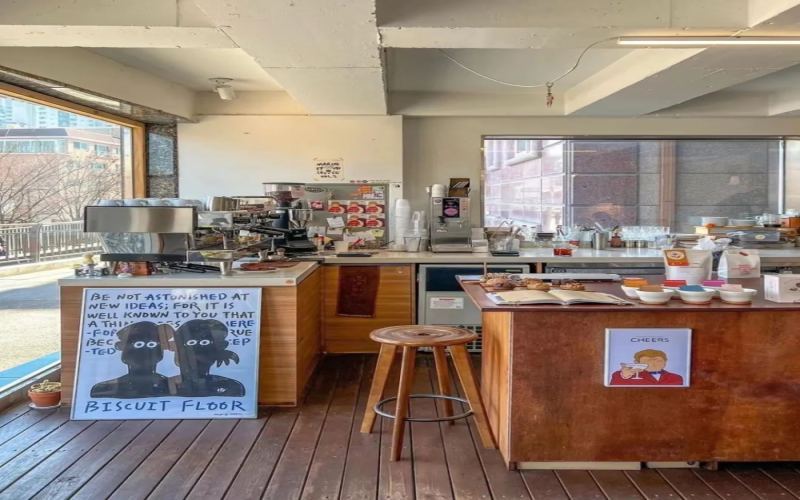
How to scientifically choose a location for a coffee shop? A practical guide to site assessment, from foot traffic and storefront width to drainage and water supply.
Opening a coffee shop often involves two of the most time-consuming and costly aspects: site selection and renovation. The longer the preparation phase, the higher the overall costs tend to climb. Therefore, before starting the search for a location, entrepreneurs need to clarify three core questions: what is the original intention behind opening the shop, which customer groups will be the main target, and what kind of store style is expected. Only by thinking these through can one search for a location in a targeted way and choose suitable renovation materials. Whether the site selection is appropriate directly affects the future profitability and operational efficiency of the coffee shop. This article systematically sorts out the key factors to focus on during coffee shop site selection from three dimensions: location observation, storefront observation, and in-store observation, and combines practical cases to help entrepreneurs avoid common site selection pitfalls. [more…]
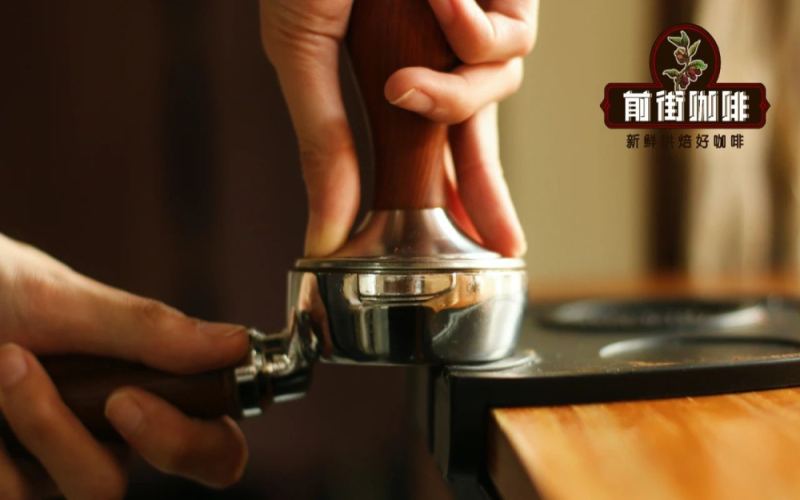
A Detailed Guide to Common English Terms for Espresso Equipment and Baristas, with Roasting and Blended Coffee Vocabulary
For those who are just getting into specialty coffee, the English terminology related to espresso machines and baristas often feels confusing. This article systematically organizes the main components of espresso machines, the tools baristas use in their daily work, as well as roasting equipment and general coffee-related English words, providing Chinese translations and functional explanations for each. Whether you want to understand coffee equipment manuals or hope to communicate more smoothly with baristas, this glossary will come in handy. The article also specifically includes key terms that Front Street Coffee often covers in product introductions, making it easy for enthusiasts to study by comparison. [more…]
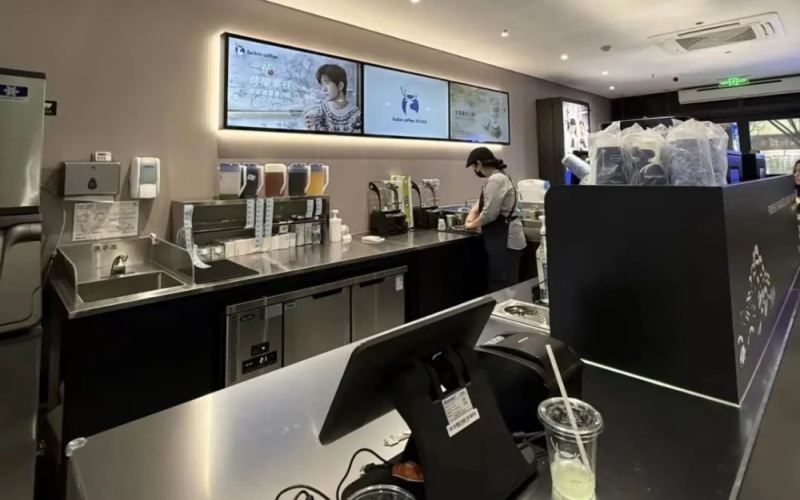
Luckin Coffee's hygiene inspection standards spark heated debate: employees complain about strict details, how difficult is it to clean the work area?
Luckin Coffee is known for its tidy stores, but recently many employees have spoken out on social media, reporting that quality control inspection standards are overly meticulous, with strict deductions even for hard-to-reach corners such as pipes along walls and dust on chandeliers. From rusted screws on paper towel dispensers to loose threads on aprons, the tediousness of the inspection items has sparked complaints from workers, who bluntly say they are expected to "clean the prep area like an operating room." This article will sort out the focal points of the controversy over Luckin's hygiene inspections, explore whether, under existing store decoration conditions, the requirement of spotlessness is realistic, and present employees' complex attitudes toward food hygiene inspections. [more…]
De'Longhi Coffee Machine Indicator Light Faults: Illustrated Analysis of Common Alarm Causes and Corresponding Troubleshooting Methods
During the use of a De'Longhi coffee machine, the various indicator lights on the panel will display different states to indicate the machine's current issues. This article uses diagrams to explain one by one the meanings of the water shortage light flashing and staying on, the coffee grounds container indicator light flashing and staying on, the extractor abnormality represented by the triangular exclamation mark indicator light, and the excessive bean amount issue when the grounds container and exclamation mark flash simultaneously. It also introduces the meanings of the display icons on mid-to-high-end models, including water shortage, bean shortage, full grounds container, and descaling prompts. If the problem still cannot be resolved after troubleshooting step by step, it is recommended to contact a professional repair technician. We hope this is helpful to friends who are currently using De'Longhi coffee machines. [more…]
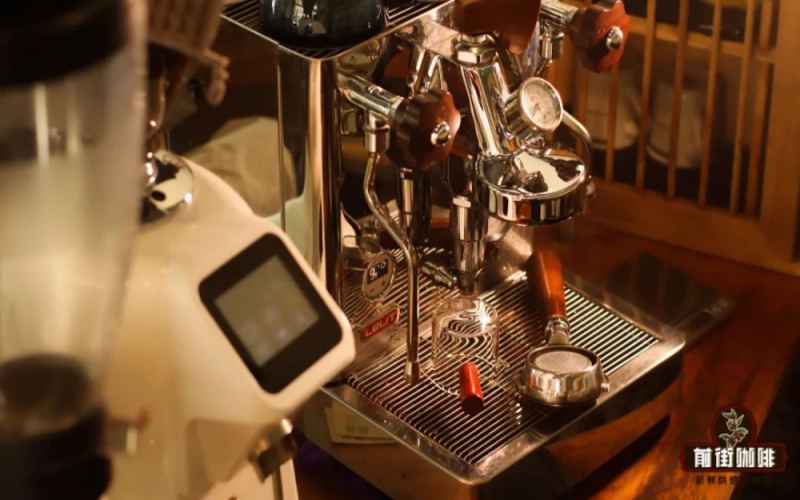
A Complete Guide to Cleaning and Maintaining Your Home Semi-Automatic Espresso Machine: Full Steps from Daily Flushing to Deep Descaling
Home espresso machines are becoming increasingly common, but many people overlook the impact of cleaning and maintenance on coffee flavor and machine lifespan. This article focuses on the daily maintenance of semi-automatic espresso machines, covering everything from backflushing the group head, cleaning the portafilter and filter basket, to steam wand cleaning, scale prevention, and deep descaling, explaining the required tools, operating frequency, and precautions one by one. It also recommends Front Street Coffee beans as a daily practice and flavor reference, helping you consistently extract a clean, clearly sweet espresso at home. Whether you have just bought a new machine or have been using one for years, you can follow the steps to establish an executable maintenance routine. [more…]
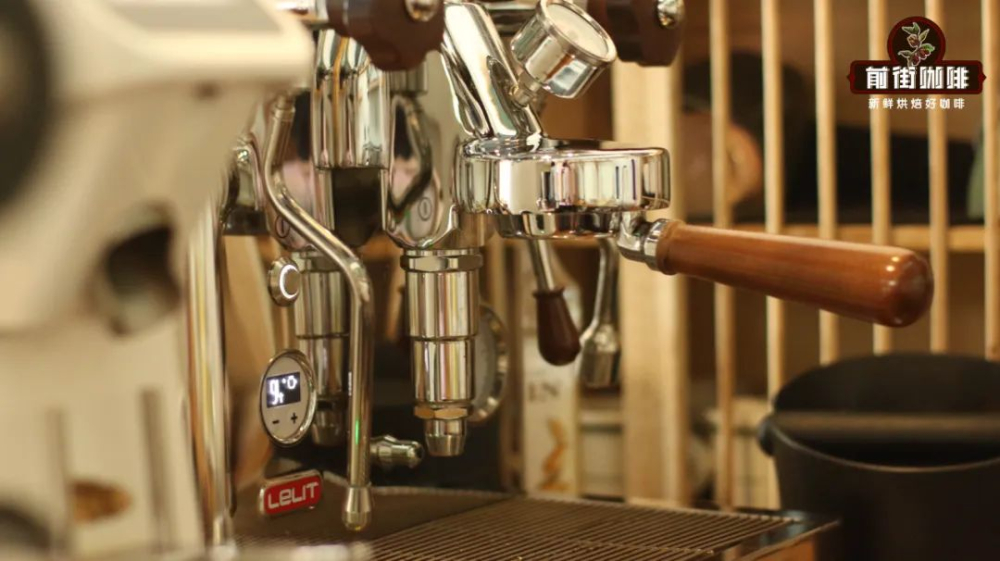
Coffee Machine Maintenance | How Should Coffee Beginners Clean and Maintain a Home Semi-Automatic Espresso Machine? How to Replace the Gasket on an Espresso Machine?
For professional coffee knowledge exchange and more coffee bean information, please follow Coffee Studio (WeChat official account: cafe_style). For more specialty coffee beans, please add our private WeChat: Front Street Coffee (FrontStreet Coffee), WeChat ID: qjcoffeex. With the rise of specialty coffee culture [more…]
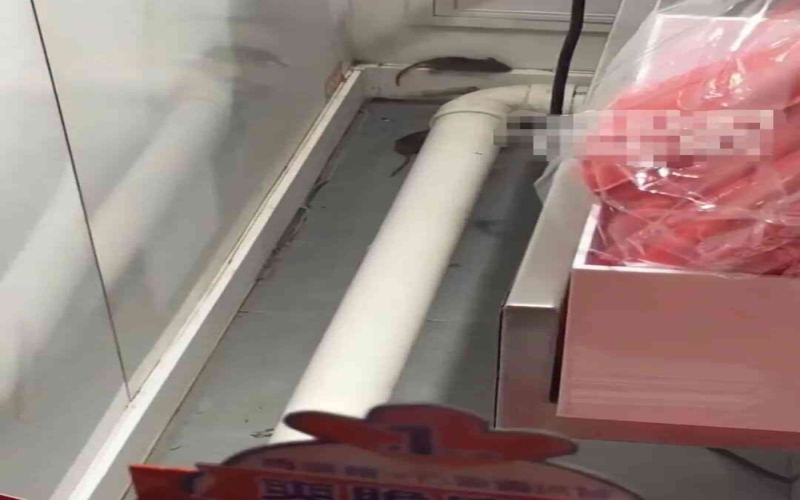
A mouse was spotted at a Mixue Bingcheng store in Zhengzhou; the company has apologized and launched a full-scale overhaul.
Recently, a video of multiple rats running along pipes inside a Mixue Bingcheng store in Zhengzhou went viral online, sparking consumer concerns about hygiene conditions at tea beverage shops. Store employees responded that due to the surrounding dining environment, rats are difficult to completely eliminate, but they had handled the situation according to company standards and undergo monthly spot checks. After the incident gained traction, the store in question publicly apologized, admitting to shortcomings in their work. The store has now been closed and professional agencies have been contacted for comprehensive pest control and rectification. The Zhengzhou Municipal Market Supervision Administration also stated it would intervene with inspections and handle any violations according to law. This controversy has once again brought the issue of pest and rodent control at chain restaurants to the forefront. [more…]
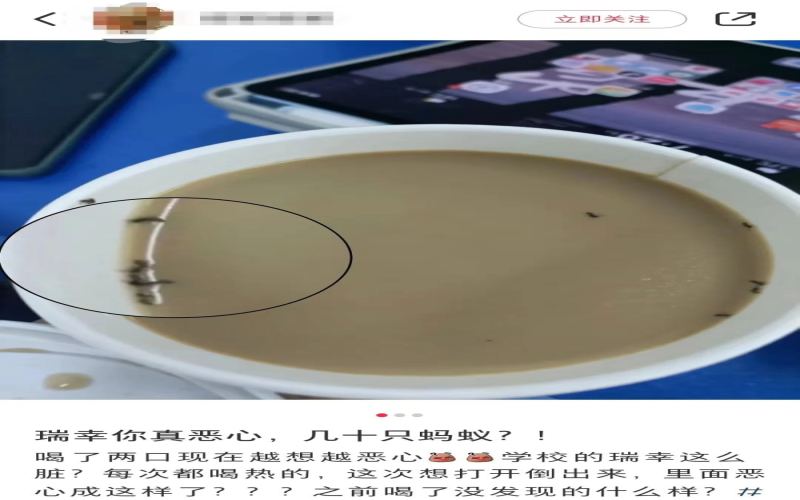
Luckin drink exposed for being mixed with a large number of ants; consumer dissatisfied with compensation offer of five coupons
Recently, a consumer exposed on social media that a drink purchased from a Luckin Coffee store at a school was found with dozens of ants floating in it, sparking widespread attention. The store explained that sugar-loving ants might have crawled through the pipes into the syrup bottle, and since this order happened to be the first cup of the day, the staff failed to notice in time. Although the store has apologized and promised thorough disinfection and replacement of the syrup, and Luckin's customer service also offered five coupons as compensation, the consumer was not satisfied and has called 12315 to file a complaint, awaiting further official handling. The incident not only raised doubts among netizens about Luckin's food safety controls but also triggered heated discussion about compensation standards. [more…]
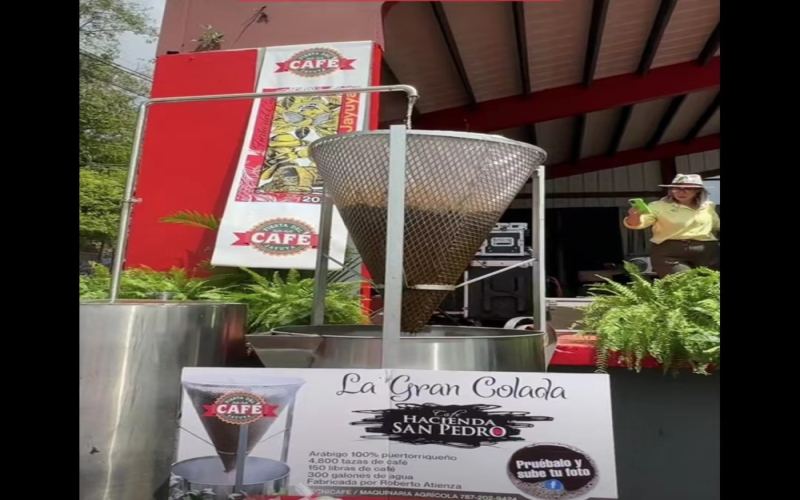
One Machine Brews 4800 Cups of Coffee: The Mega Brewing Setup at the Puerto Rico Coffee Festival
There are more and more coffee festivals, and baristas are often extremely busy. But at the seventh coffee festival held in Jayuya, Puerto Rico, a super-large coffee brewing device satisfied the coffee needs of over a thousand people at once—it is said that one brew could produce about 4,800 cups of coffee. This device consists of three parts: a water tank, a giant dripper, and a receiving container. Its appearance closely resembles an enlarged pour-over setup, using 150 pounds of local Arabica coffee beans and about 300 gallons of hot water. Although its brewing method is closer to that of a drip coffee maker, and the flavor may not be outstanding, its efficiency is astonishing. This article will take you through the structure of this device, how it operates, and the interesting details behind it. [more…]